
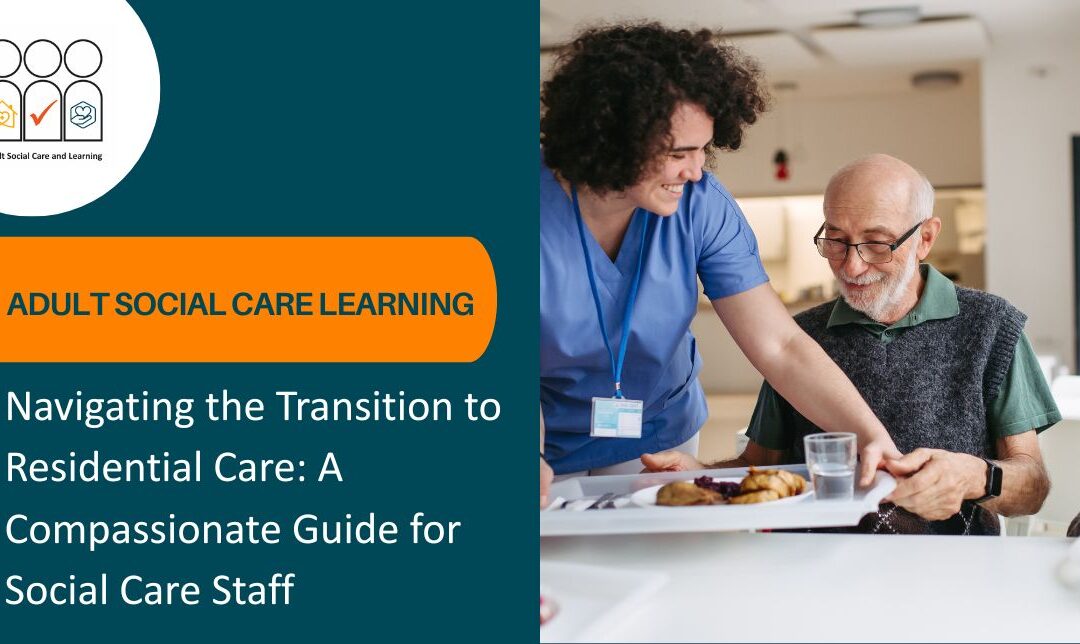
A Compassionate Guide for Social Care Staff
Moving a loved one into residential care is rarely a single, distinct event. More often, it is the culmination of months, or even years, of gradual decline, mounting pressure, and emotional exhaustion. For families, this transition can feel like a profound loss, frequently accompanied by intense guilt, grief, and anxiety.
As adult social care professionals, your role during this period extends far beyond managing paperwork and coordinating physical moves. You serve as a critical anchor. By offering clear guidance, empathetic listening, and structured support, you can help families navigate both the emotional weight and the practical hurdles of this major life event.
Understanding the Emotional Landscape
Before addressing the practical arrangements, it is vital to recognise the complex emotions families experience when admission to a care home becomes necessary.
- The Weight of Guilt: Many family carers make implicit or explicit promises, such as assuring a parent they will “never put them in a home.” Realising they can no longer safely meet their relative’s needs often feels like a betrayal or personal failure.
- Grief and Anticipatory Loss: Families are not only adjusting to a new environment; they are grieving the loss of the life, home, and independence their loved one once had.
- Role Reversal: Adult children frequently find themselves making life-altering decisions for their parents, which can create discomfort, friction, and family tension.
- Caregiver Burnout: By the time residential care is considered, many family carers are physically and mentally exhausted. This fatigue can limit their capacity to process complex information or make swift decisions.
Key Takeaway for Care Staff: Validate their feelings early. Remind families that moving a relative into residential care is not “giving up” on them; it is choosing a safer, specialised environment where they can return to being a supportive partner, son, or daughter rather than a full-time, exhausted caregiver.
Preparing for the Transition: Early Conversations
Clear, honest communication in the weeks leading up to the move helps reduce anxiety for both the individual and their family.
Practical Steps for Practitioners
- Host a Person-Centred Planning Meeting: Gather key family members and, wherever possible, the individual themselves. Focus on who the person is beyond their care needs – their routines, preferences, history, and hobbies.
- Manage Expectations Openly: Be clear about what the care home can provide, how daily routines work, and how care plans are adapted. Honest communication prevents misunderstandings later.
- Encourage Familiarity: Suggest that families visit the home at different times of day before the move, meet key staff members, and if possible take photographs of the room so they can plan how to arrange personal items.
Managing the Move Day
The day of the move is often the most emotionally charged part of the process. A structured, calm approach helps ease the initial shock.
Essential Tips for Staff on Move Day
- Prepare the Space in Advance: Encourage the family to bring in personal belongings (a favourite armchair, familiar bedding, family photos, or a cherished ornament) the day before. Walking into a room that already feels familiar significantly reduces disorientation.
- Designate a Key Contact: Assign a primary carer or nurse to meet the family upon arrival. Having a single point of contact provides immediate reassurance amidst the busyness of the care environment.
- Plan the Departure: Work with the family to establish a thoughtful exit strategy. Lingering prolonged goodbyes can heighten distress for everyone involved. Agreeing on a specific time to leave, perhaps when lunch is served or an activity begins, often works best.
Navigating Post-Move Adjustment and Building Partnership
The transition does not end once the suitcases are unpacked. The first few weeks require active partnership between social care staff and the family.
| Phase | Common Family Challenge | How Social Care Staff Can Support |
| Weeks 1–2 | High anxiety, frequent panicked phone calls, feelings of loss of control. | Offer proactive updates before they ask. Reassure them about small daily wins (e.g., meals eaten, sleep quality). |
| Weeks 3–4 | Guilt when returning to an empty home; worry that their relative feels abandoned. | Invite them to participate in care activities if they wish, or encourage them to focus on their own well-being. |
| Month 2+ | Adjusting to a new dynamic; potential friction over care routine details. | Hold a formal 6-week review to address concerns, adjust care plans, and celebrate positive adjustments. |
Supporting a Continuing Role for Carers
Family members often worry about what their new role will be once professional staff take over daily care tasks. Emphasise that their involvement remains vital:
- Preserve Meaningful Connections: Encourage families to continue shared routines, such as reading together, working on a memory book, or assisting with favourite hobbies.
- Involve Them in Care Reviews: Treat family members as experts in their relative’s life history, preferences, and non-verbal cues.
- Offer Support Resources: Signpost family carers to local carer support networks, respite resources, or counselling services if they are struggling with the transition.
Supporting Yourself as a Practitioner
Guiding families through this transition requires significant emotional labour. It is normal to feel the weight of a family’s distress, particularly when admissions are crisis-driven or complicated by family conflict.
- Utilise Supervision: Use formal supervision and peer debriefs to discuss challenging transitions and process the emotional impact on your team.
- Maintain Professional Boundaries: Compassion does not require taking on a family’s emotional burden entirely. Clear boundaries protect your well-being and ensure sustainable practice.
- Acknowledge the Value of Your Work: A smooth, compassionate transition can fundamentally change how a family experiences care, transforming a daunting ordeal into a positive new chapter.
Summary
Navigating the move to residential care is a delicate journey that blends practical coordination with deep emotional sensitivity. By preparing early, managing move day with empathy, and establishing a strong working partnership with families, adult social care staff can ease distress and build a solid foundation for high-quality, person-centred care.
Book your mental health training to boost your person centred care skills.